The #1 Food to Hoard
in an EMP Crisis
A Grid Down Crisis Would Wipe Out The Food Supply
for Millions of Americans. Here’s How to Guarantee
25 Years of “Gourmet” Food Security for Your Family
Did you know that if an EMP attack happened, it would instantly send us back to the dark ages?
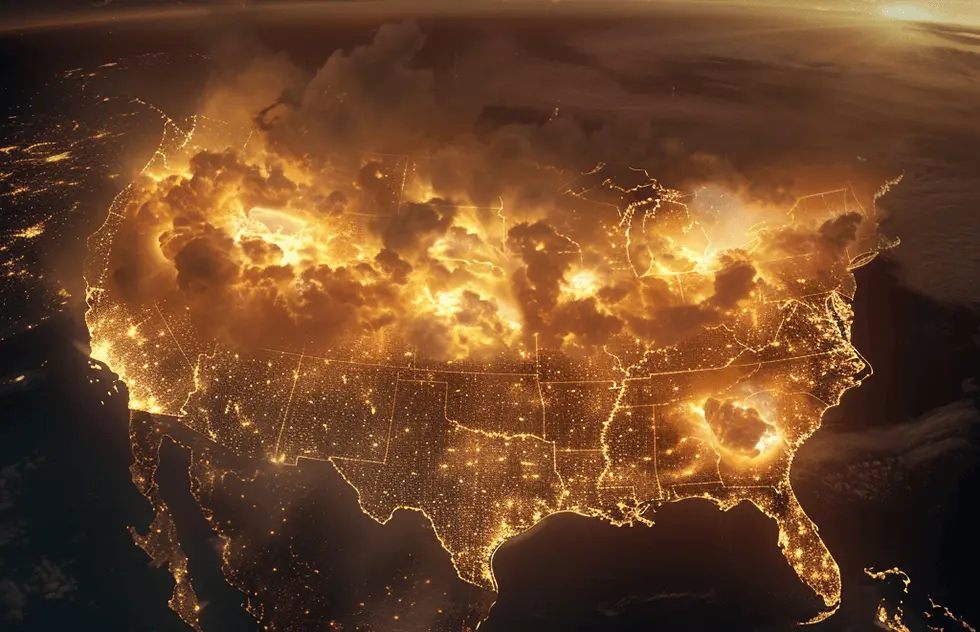
Most people believe that the worst of it would be not having Netflix for a while...
But with lights out... refrigeration gone... and all transportation stopped dead in its tracks... a sobering reality would quickly unfold...
...a reality where the food supply chain collapses overnight leaving millions with empty stomachs struggling or even begging for food... just to feed themselves and their families.
And while the shelves of grocery stores would quickly be picked completely bare and the food in your fridge would begin to rot...
...I'm sad to say that this scenario would barely scratch the surface of the food crisis that would soon follow.
But i'm here to tell you
Not All Hope Is Lost
That's why today, on this page only, I'll share with you an Ultimate 25-Year Food Insurance Policy For Your Emergency Stockpile... delicious as it's crisis-proof.
Hi, my name is Alec Deacon and I’m an independent investigator – With a relentless pursuit of truth.
I’m also the co-founder, writer, and editor of Survivopedia.com.
Since its founding a little over twelve years ago. It has become one of the largest and most trusted survival, and preparedness websites in America, serving hundreds of thousands of American preppers across 50 states.
You may know our websites because of the work we did in the last several years – helping preppers avoid the big disasters that threaten our nation…
When we published Backyard Liberty and showed people how to prepare for a food crisis, more than 140,000 Americans heeded our calls.
Or when we showed preppers how to prepare for the 100 years megadrought NASA warned about.
People usually seek my advice because I specialize in long term survival for over 20 years... and because I'm almost religious about my right to be independent... and to be able to feed and protect myself and my family.
That's why I've made it my life's purpose to help everyone I can, giving them practical, safe guidance that would make a difference in survival scenarios… and to expose the hidden dangers that threaten our rights... and our very existence.
Like you, I've looked for solutions, and asked all the hard questions head-on.
Questions like...
"Can freeze-dried meat, beans, rice and a small garden
sustain my family for the long haul?"
Just recall any recent blackout or disaster situation, and how quickly panic buying followed with all of the essentials disappearing from the shelves...
...or when toilet paper was a hot commodity around the world.
Now, amplify that a hundredfold.
That's the reality of an EMP strike.
Look, I don't mean to scare you, but it is a frightening topic and we have to prepare for it before it's too late.
With power grid fried beyond repair, massive blackouts sweeping across the country and no trucks bringing in fresh produce, all the stores will be wiped clean in a matter of hours.
And do you know what's The Number #1 Food Item That Disappears In A Crisis?
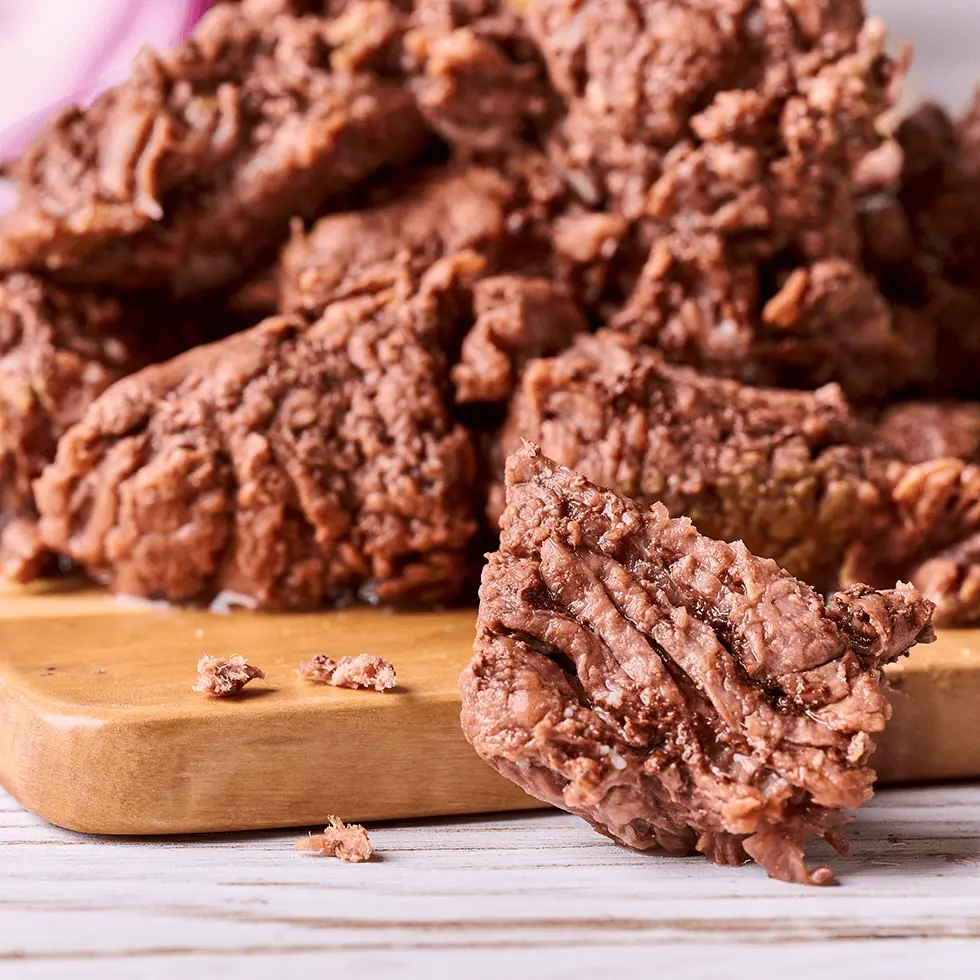
You probably guessed it, it's MEAT.
Here's why that's important.
Why Meat Is The True Life-Saver
Of Every Prepper's Stockpile
Studies show that meat is a powerhouse of nutrition. And a protein-rich diet leads to better physical and mental resilience.
During a prolonged crisis, having fresh meat as a source of protein gives you a big leg up when it comes to barely surviving as opposed to thriving.
So what are some of the reasons that meat is so important for our health, besides the fact that it's so darn tasty and melt-in-your-mouth delicious?
Number #1
Wound Healing
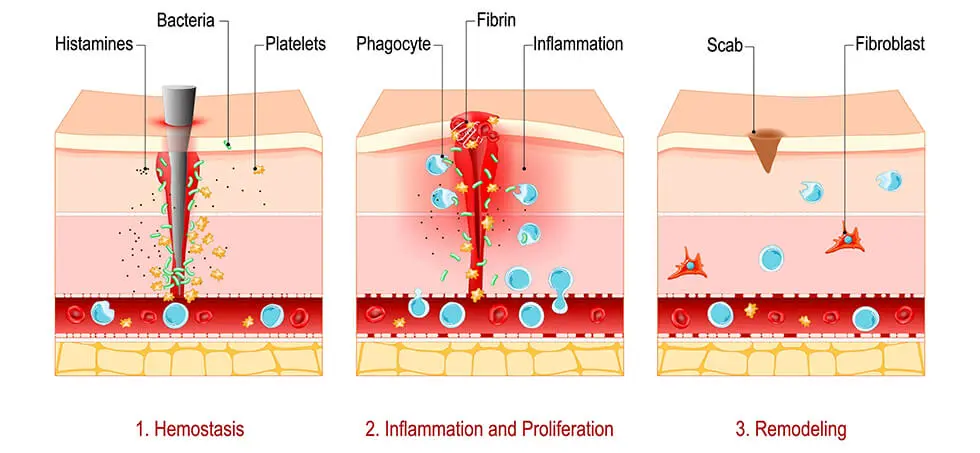
Meat is a complete protein. This means that it contains all nine essential amino acids necessary for the repair and building of tissue, like healing wounds.
This is crucial in a crisis when hospitals are shut down and there is no healthcare available.
Number #2
Maintaining Muscle Mass And Strength
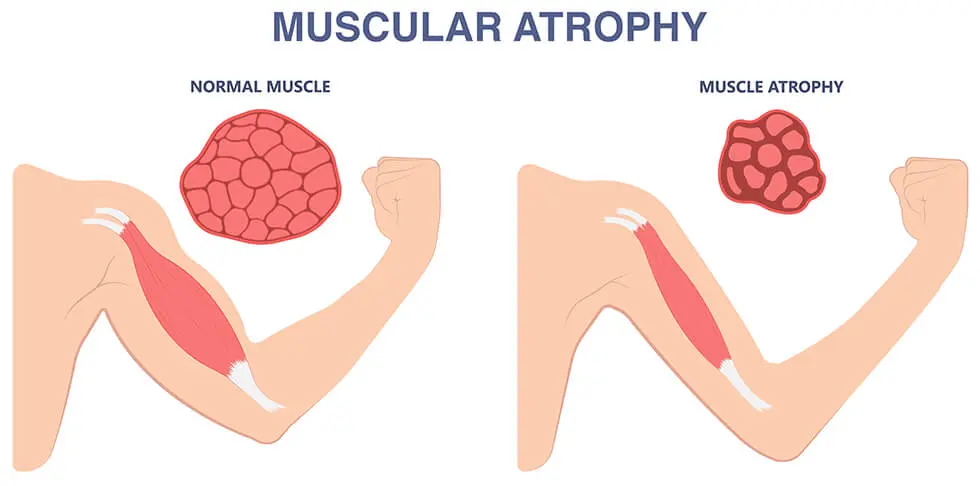
Meat is high in protein which is important for maintaining muscle mass and strength. But we're not talking about looks here.
It's about keeping your body strong for survival tasks, like gathering resources and defending your loved ones, and about ensuring your health and mental fitness.
Because protein is the backbone for staying active, sharp, and ready long-term for whatever comes your way.
Number #3
Supporting Immune System And Energy Levels

Meat is rich in vital nutrients like vitamin B12, Iron and Zinc. These essentials support your immune system and energy levels, and reduce the likelihood of you getting sick or easily tired.
Plus...
...because of its high satiety quality, meat makes you feel full for longer, which is good when food supplies are uncertain or limited.
And I don't know about you, but I would choose a hearty beef stew over something that looks like dog kibble and tastes like wet cardboard, any day of the week.
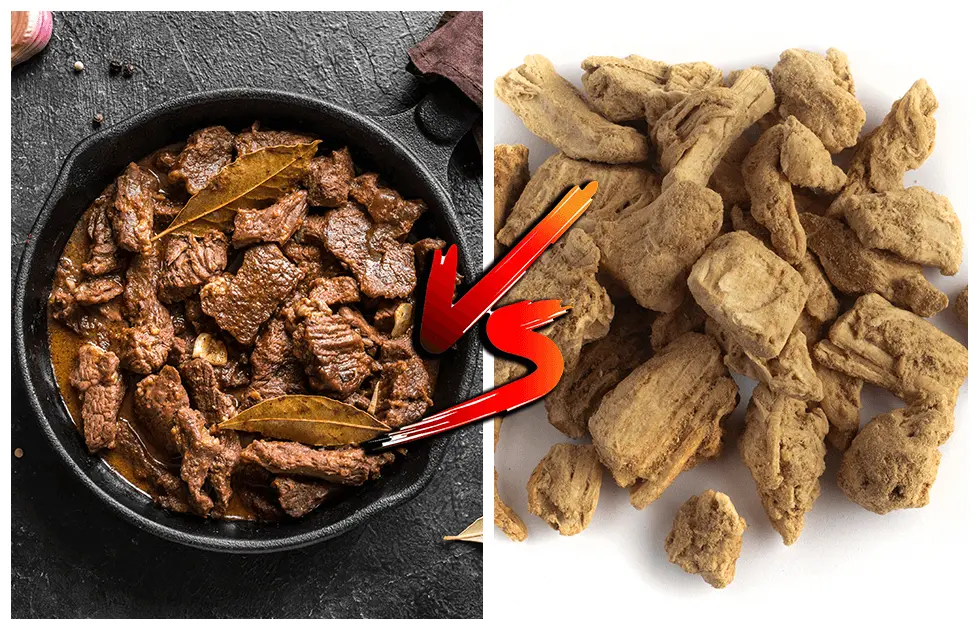
But remember, after an EMP there will be no electricity, or refrigeration.
And that means even if you manage to grab a piece of meat in a panic buying frenzy, or you have a freezer jam packed with food... it would quickly become spoiled rotten.
But what if I told you there was a way to ensure your family stays safe and well-fed with fresh tasty meat, even in the face of such disaster, for decades?
And no, it's not freeze-dried meat, and here's why...
The Hidden Flaws
Of Freeze-Dried Meat
While freeze-dried food certainly has its place in emergency preparedness stockpiles, it has limitations that are often overlooked.
Freeze-dried meat requires rehydration... meaning you need water, and sometimes quite a bit of it, which in crisis may not be readily available or best used for rehydrating food.
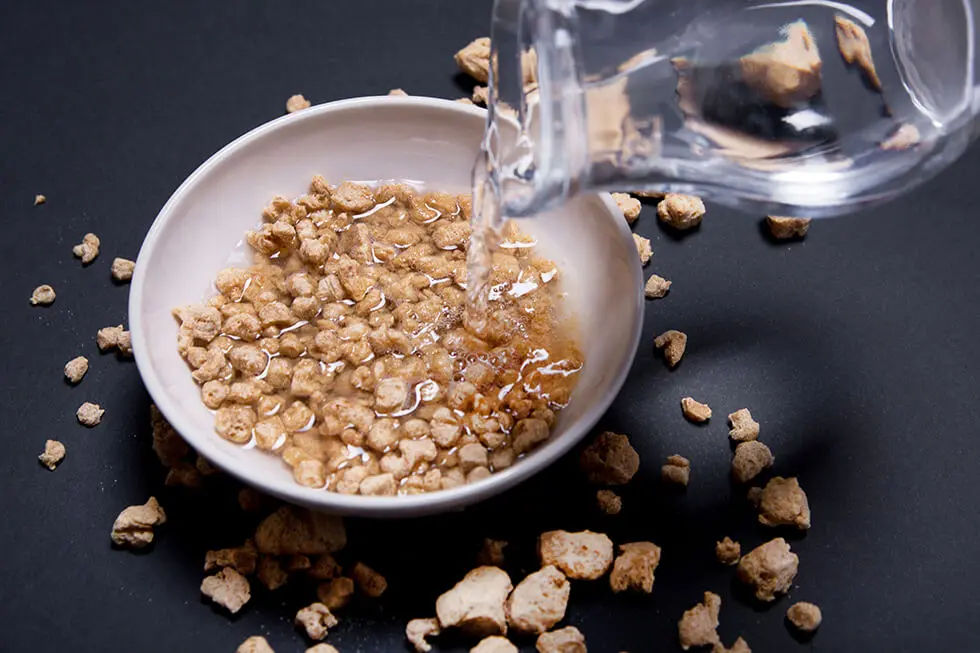
Then there's the need to cook it, and that can also be a challenge without power, or if you don't want to draw unwanted attention with having a fire going in a SHTF situation.
And let's be honest, the texture and taste can't match the comforting, savory richness of fresh meat.
It's an option, sure, but not the best one when you crave the familiar comfort and nutritional benefits of a home-cooked meal.
So then, how about having a garden, growing your own fruits and vegetables and raising animals?
I believe that is the best way to make sure you don't run out of food.
But we need to take a look at why...
Raising Your Own Farm Animals
For Meat
Isn't For Everyone
Our grandparents, who lived through The Great Depression and the World Wars, knew the importance of preparations.
They preserved yields from their farmlands, filling their pantries with jars of fruits, vegetables and most importantly meat.
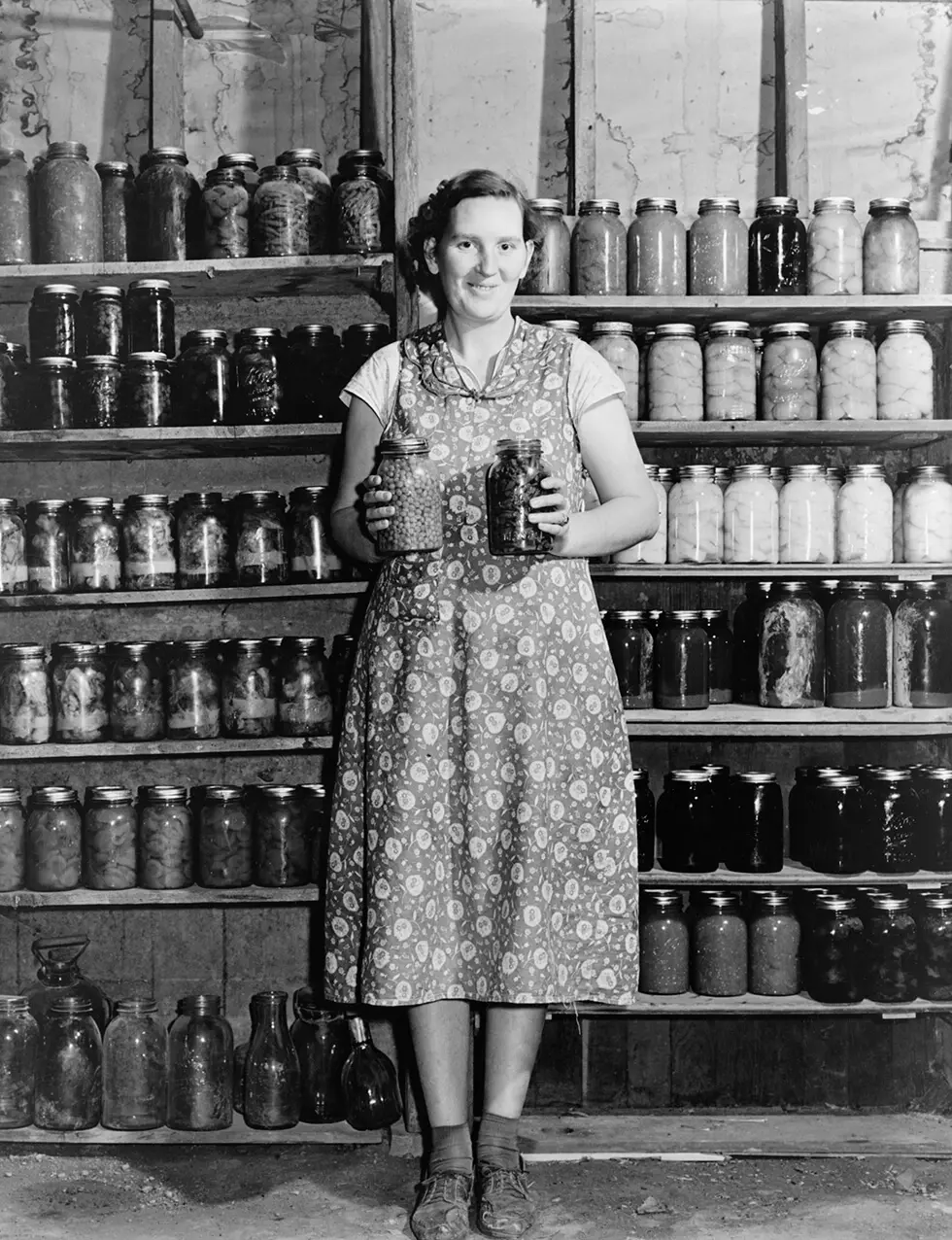
This wasn't just about preserving perishables, it meant not having to beg for food from the government and not being at the mercy of their neighbors.
So, if you have the time and the land, that's what you should do too.
Imagine...
You raise your own livestock so you know exactly what you feed them and how you butcher and process the meat.
You dedicate the time to prepare the meat and preserve it all by yourself, and if you do this I truly envy you.
You're in a better place than most of us.
But this isn't for everyone, it's a better life for sure, but it's also filled with hard work more suited for younger folks...
So, while I wholeheartedly encourage you to develop these age-old skills and do everything in your power to be able to grow and preserve your own food...
...I would also like to say that if you have a skill or a job that pays you more than $10 per hour, you're better off doing that... and let someone else take care of food preservation for you.
First, consider what it really takes to raise and process your own animals.
It's not just about having the land or gear, it's a full-on commitment. You need time, a good chunk of money, and you need to put in some serious elbow grease.
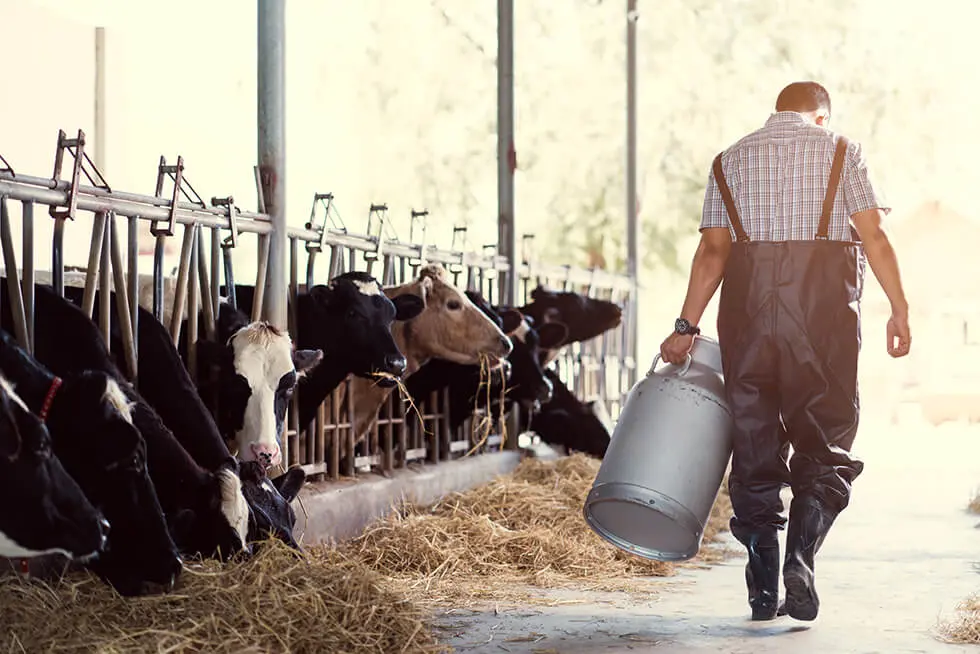
Raising animals is more than a hobby, it's a way of life that demands constant care and effort.
Seasons shift unpredictably, animal diseases can emerge without warning and predators constantly pose a threat to livestock.
Managing these challenges demands significant time and resources.
And then, preserving comes to play. It's a valuable skill to have, but it's also labor-intensive.
Sure, anyone can learn to can meat, and by all means they should.
But to do it safely and effectively, to ensure a stable, long-term food supply, requires more than just passing knowledge.
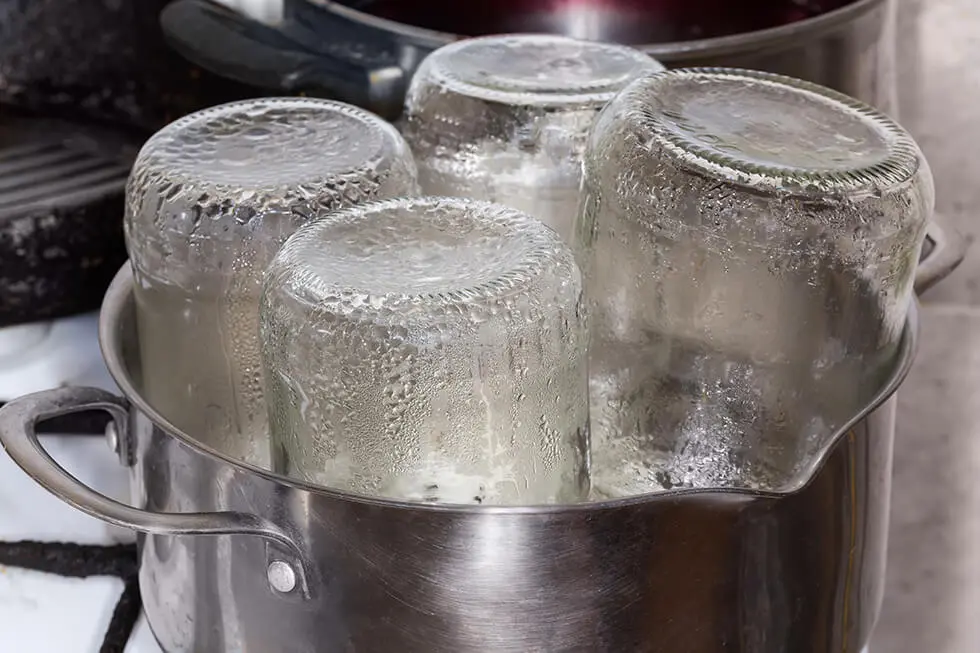
It demands dedication, time, and ruining a bunch of batches of fresh meat until you get it right... a luxury that most of us don't have.
And when canning at home, there is always a chance of contamination which can lead to botulism, (a serious and potentially fatal illness caused by toxins from homemade food that is improperly canned or preserved).
This isn't a risk worth taking when your family's safety is on the line.
That's why today I'm sharing a solution that's given me peace of mind in times where the world seems to be reaching a boiling point.
Introducing:
The Good Prepper Canned Beef
Your Premium 25-Year Survival Food Solution
For Some Good-Eatin' Even In a Long-Term Crisis
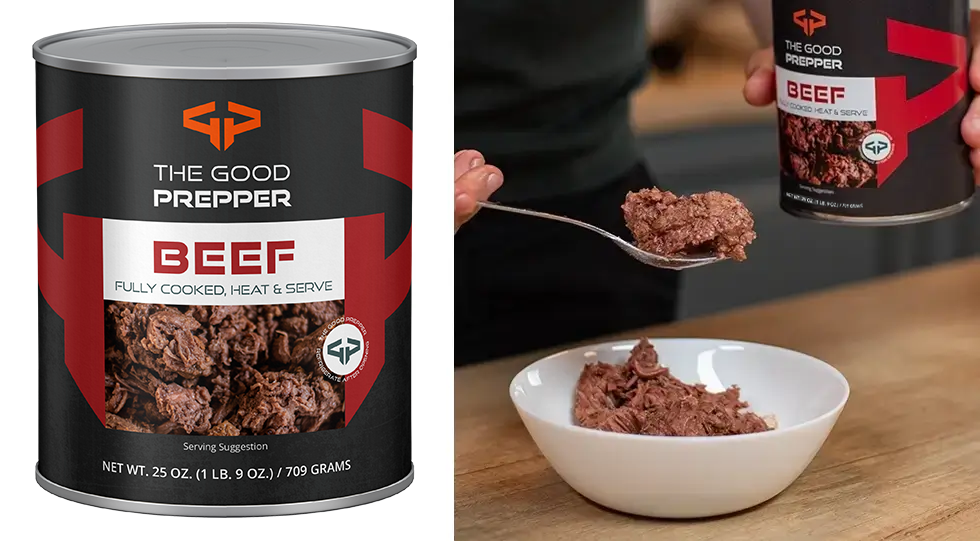
It's a true explosion of lip-smacking flavor that ensures your family enjoys the warmth and delicious taste of a home-cooked meal, even in the toughest times.
But this isn't just canned beef... it's your 25-year insurance policy for any long-term crisis or SHTF situation.
Because that's how long it will last without refrigeration if stored properly*.
With The Good Prepper canned meat, you can forget about the common freeze-dried options that lack taste and texture.
This is something truly special...
A combination of gourmet quality fresh meat and extreme shelf life, making it the #1 choice for wise preppers.
Not only that...
This is truly premium survival food, crafted with exceptional attention to flavor and texture.
It’s quickly becoming a favorite among preppers who value both quality and peace of mind when it comes to long-term food storage.
⭐ ⭐ ⭐ ⭐ ⭐
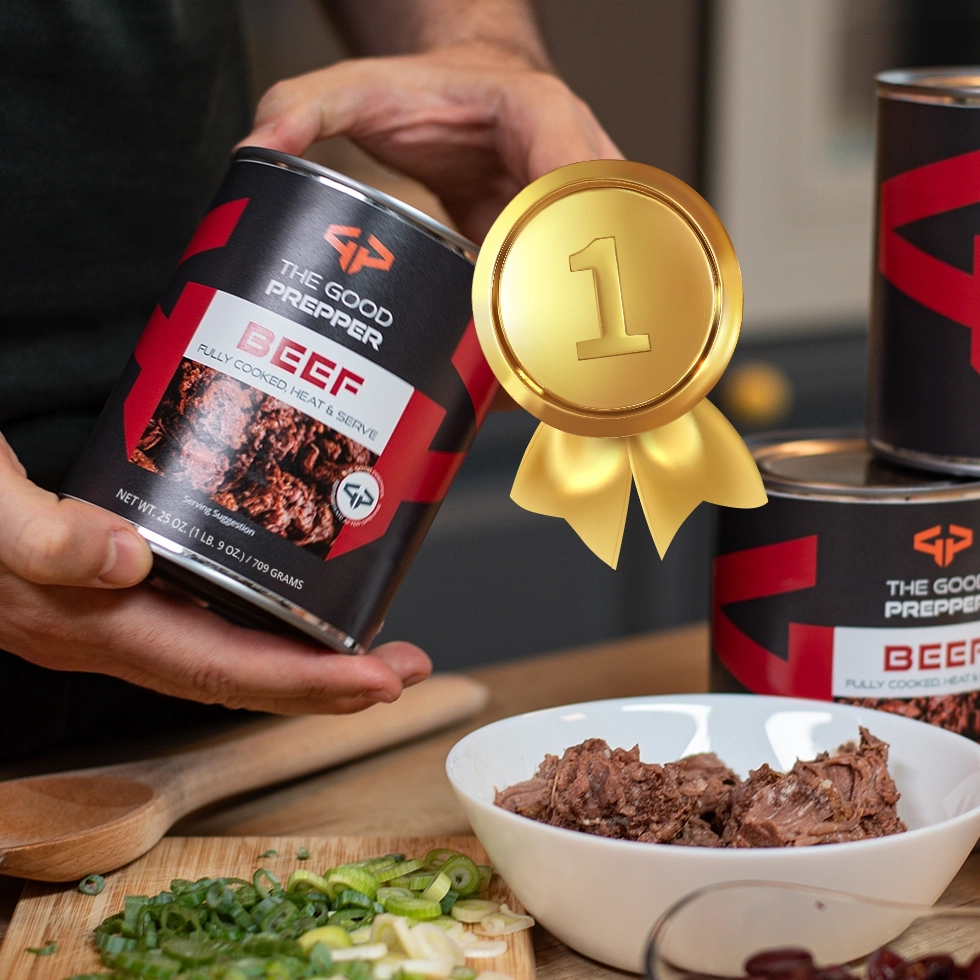
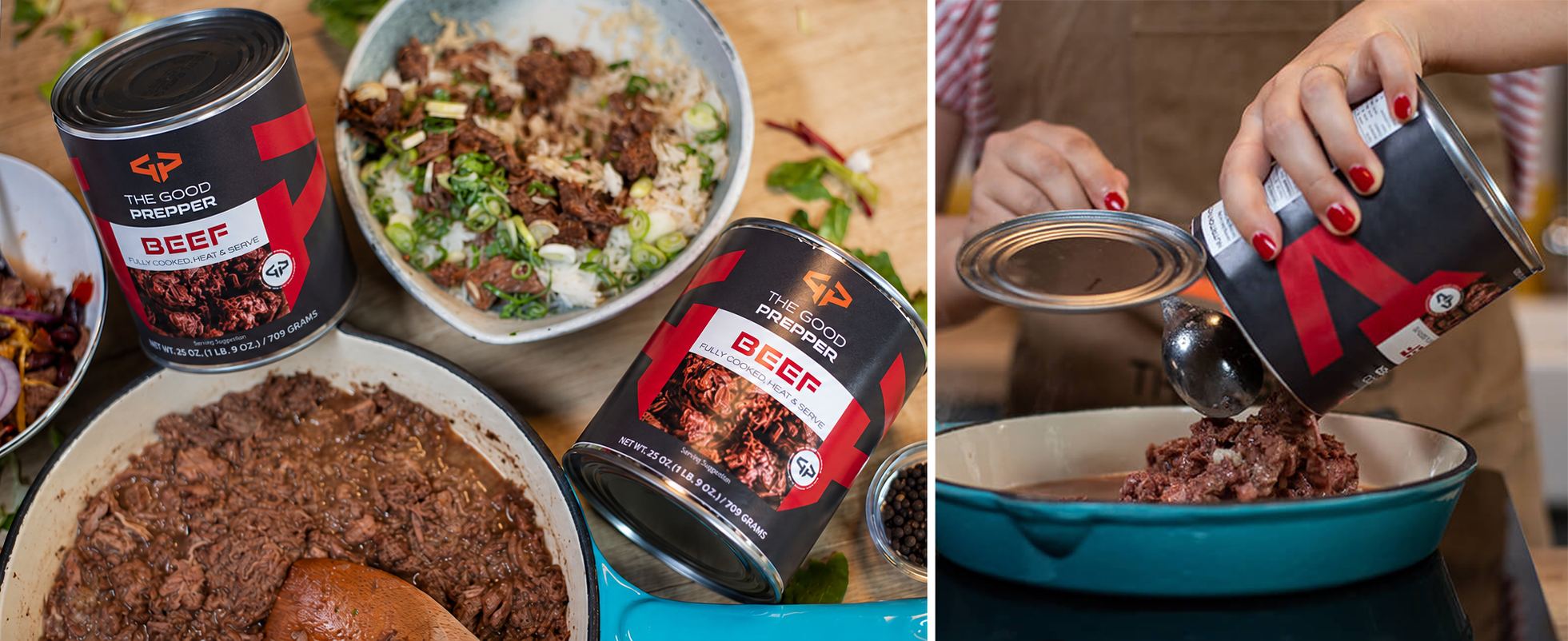
Nothing but high quality cuts of fresh beef and some sea salt and pepper already cooked to perfection and ready to eat at a moment's notice.
It's as simple as 1-2-3...
Just open it up, heat it up, and eat it prepared in your favorite way, like a hearty beef stew or a delicious beef sandwich.
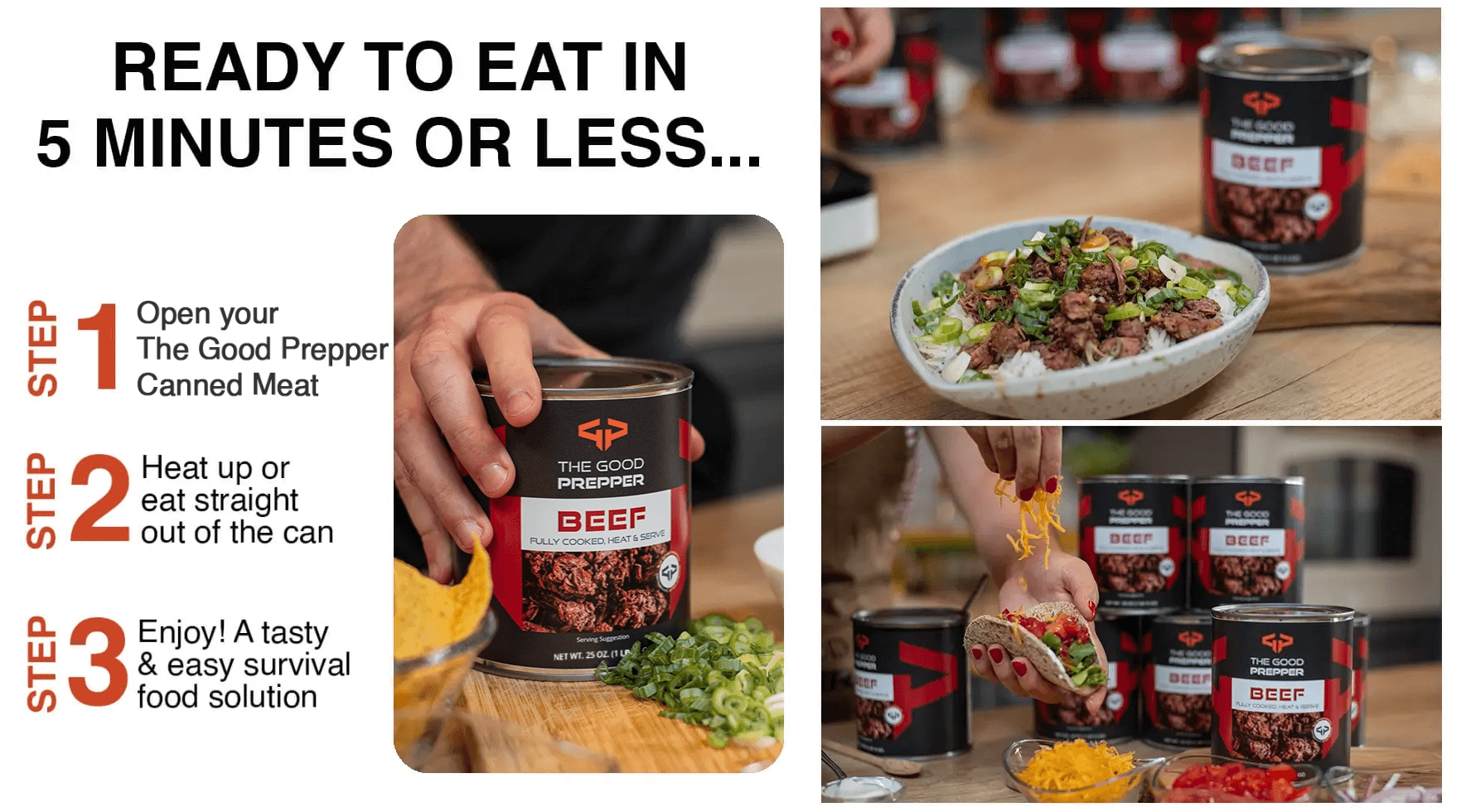
You can even eat it cold, straight from the can. But I personally like it warmed up, and you will too.
And when you try it you'll see it's unlike any canned meat you've tried before.
Because this is not your run of the mill canned mystery meat from the grocery store.
Those are often full of additives, artificial flavors, preservatives, antibiotics, food coloring and a whole list of words that I can't even pronounce.
And they all fall short compared to what The Good Prepper offers.
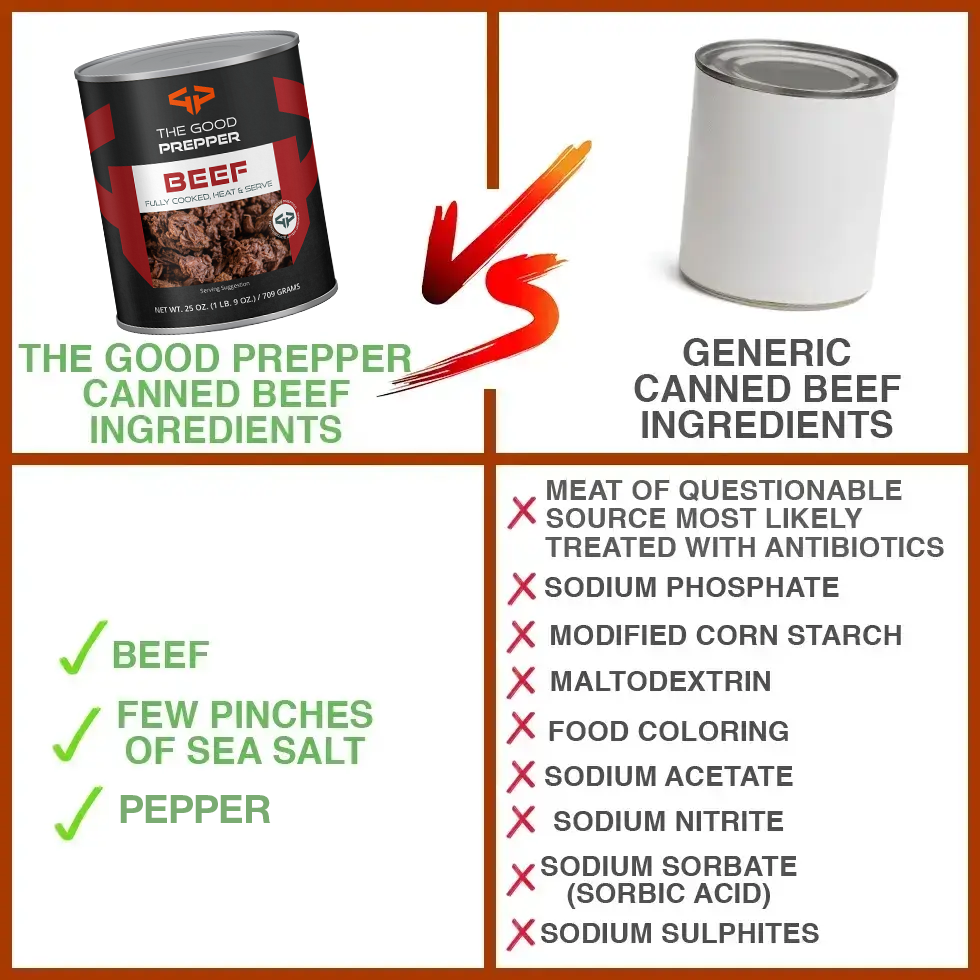
That's why The Good Prepper Canned Beef is a no-brainer decision.
It's premium survival food that guarantees...
- Peace of mind that comes from preparing for the worst
- Mouthwatering, delicious and high quality cuts of all-natural beef
- Healthy and nutritious
- High in protein
- Guaranteed for 5 years, but with proper storage (keep it in a cool, dark location out of direct sunlight) - it'll last up to 25 years!
This is food that ensures you have some good eatin' ready to go wherever or whenever you need it. And it will keep you and your family healthy and strong even in the worst of times.
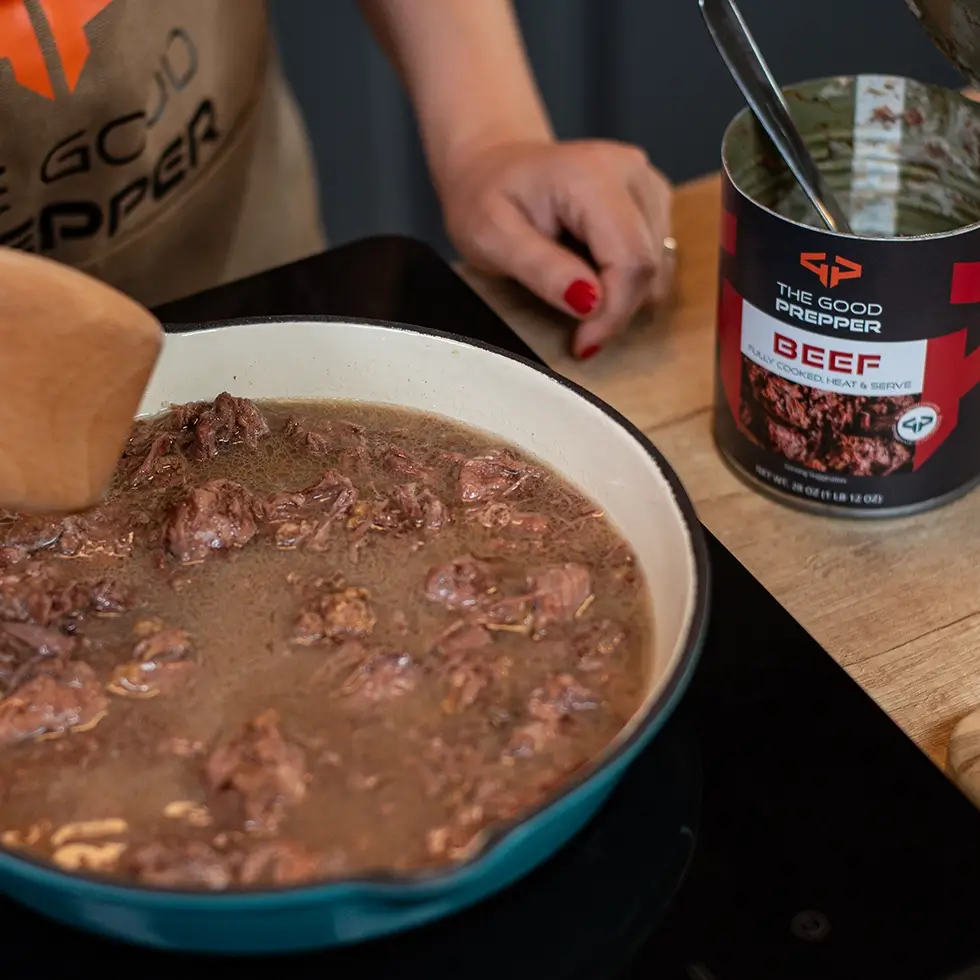
You Might Wonder
What Makes The Good Prepper
Canned Beef
So Unique?
It's simple.
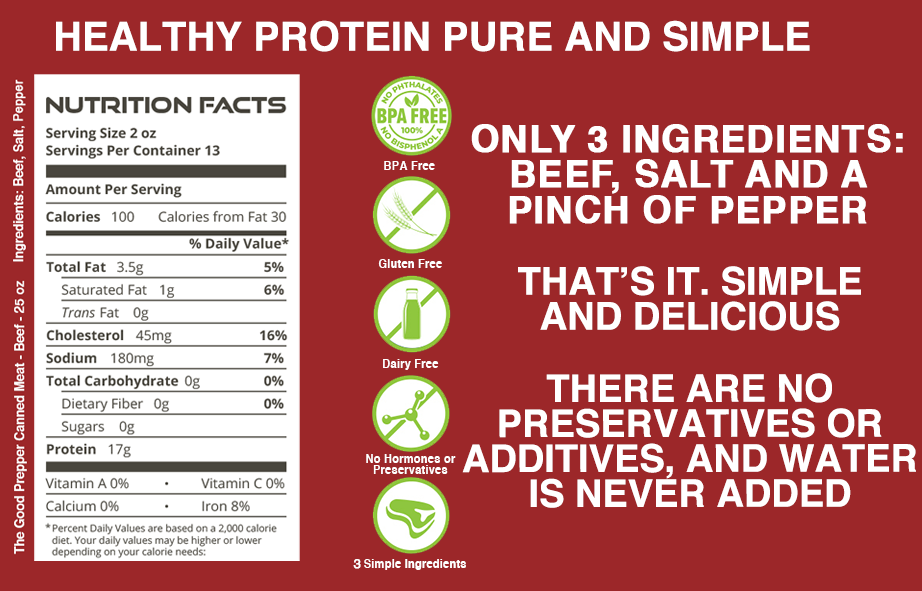
It has only three ingredients:
- hand-picked cuts of fresh and delicious beef,
- pepper
- and a bit of sea salt.
From Small American Family-Owned Farms
to Your Pantry
So first, let me tell you about the quality and source of the meat, because that is important.
The beef comes from animals that roam and graze freely on U.S. land. They feed on a natural diet of grass and wheat, ensuring that meat is not just healthy but packed with flavor.
This isn't just any meat. No, these are hand-selected cuts with no bone or gristle, which means only the best cuts make it to your dinner table.
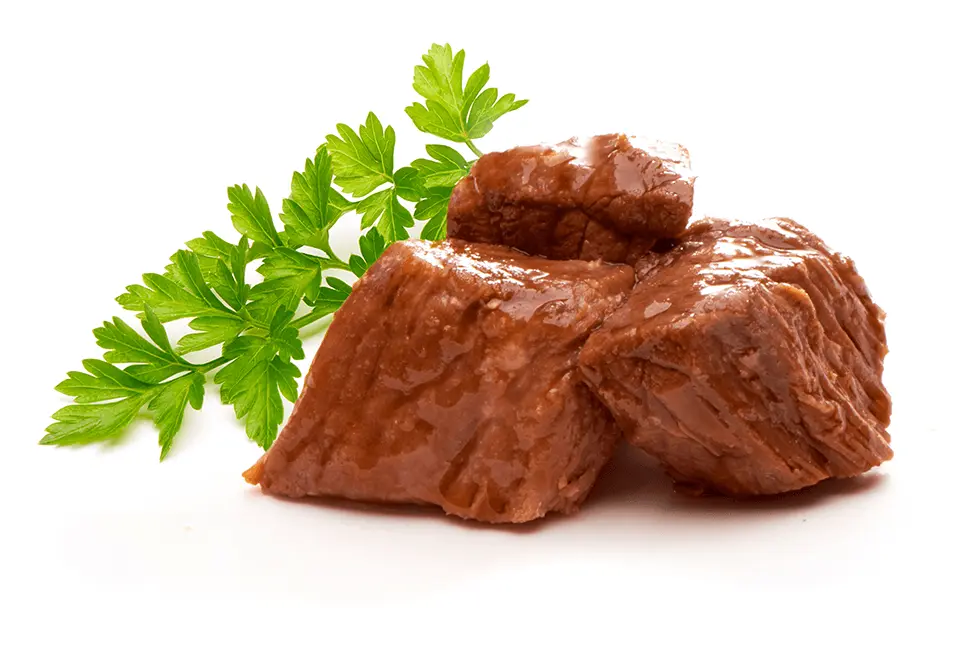
And the beef is sourced exclusively from a handful of small U.S. family owned farms that we are proud to support by choosing The Good Prepper as our preferred source for canned meat
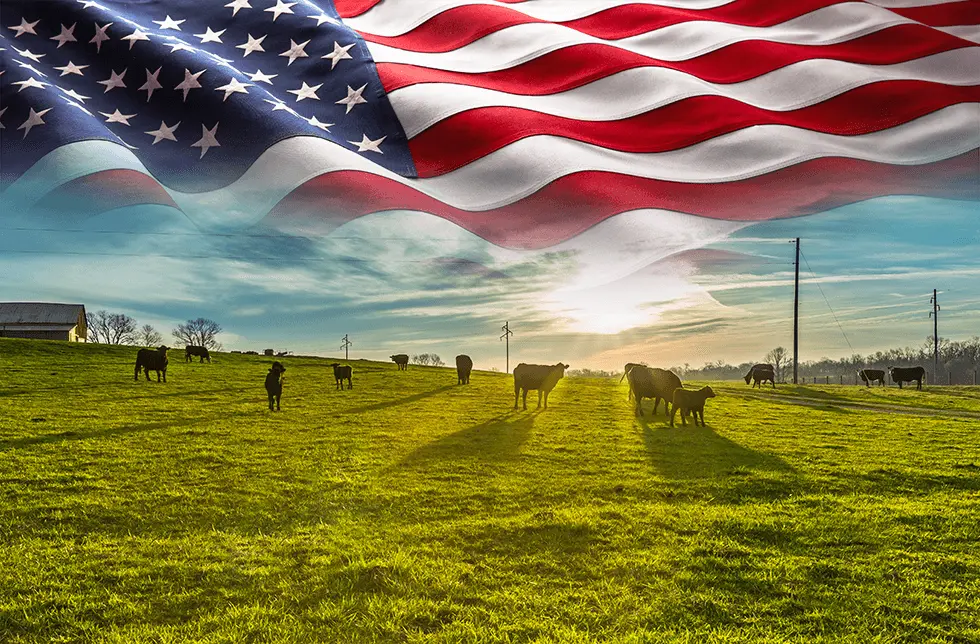
These farms are quickly disappearing across the country, because of sinister plans and government policies that favor big Agriculture money interests.
And they are far from the "factory farm" system. They uphold humane practices from field to can, ensuring every step is done right, avoiding antibiotics, preservatives, additives, or chemicals.
And when it comes to canning the meat, the standards are set extremely high as well.
That's because the 4th generation, family owned canning facility in Indiana that The Good Prepper uses, prides itself with age-old home-style cooking process as well as conservative values and strong work ethic
How to Ensure Meat Freshness
for a Quarter-Century
Most generic canned meat is first separately cooked in big batches, and then packaged in cans, leaving it potentially exposed to all types of outside influences that can cause it to spoil.
The Good Prepper avoids that completely.
The way they achieve freshness, food safety and home-made taste for years is because the beef is first sealed raw and then slow-pressure-cooked at 240 degrees in small-batched retorts using extra heavy-duty cans, locking in the meat's natural juices and nutrients.
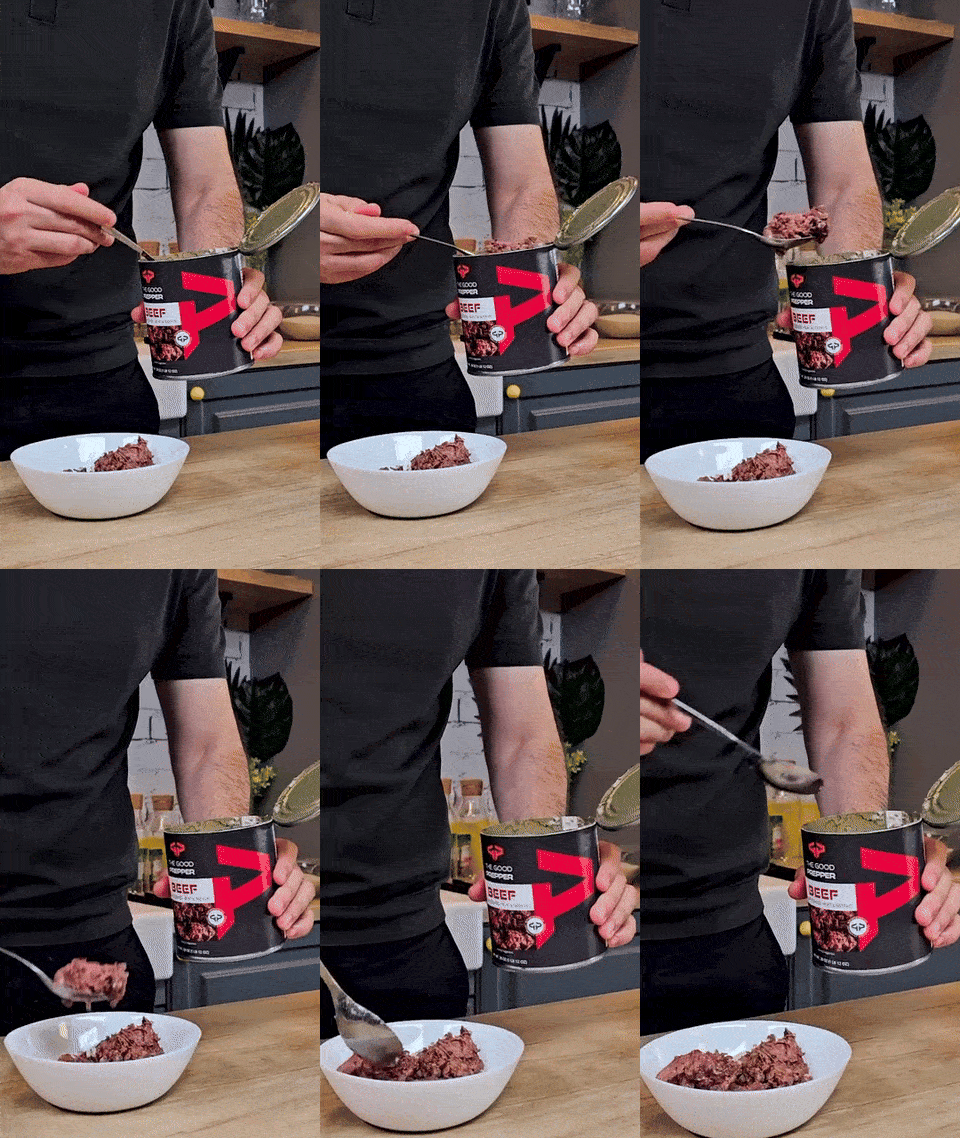
So besides cooking it to perfection this process also eliminates harmful bacteria, ensures safety without need for artificial preservatives, and gives it ultra-long shelf life.
But what about the cans themselves?
The cans are crafted from high-quality American-made steel, with no plastic lining... These are not cheap foreign-made aluminum cans and are designed to withstand high temperatures, ensuring the integrity of the meat inside.
And the packaging is top tier as well.
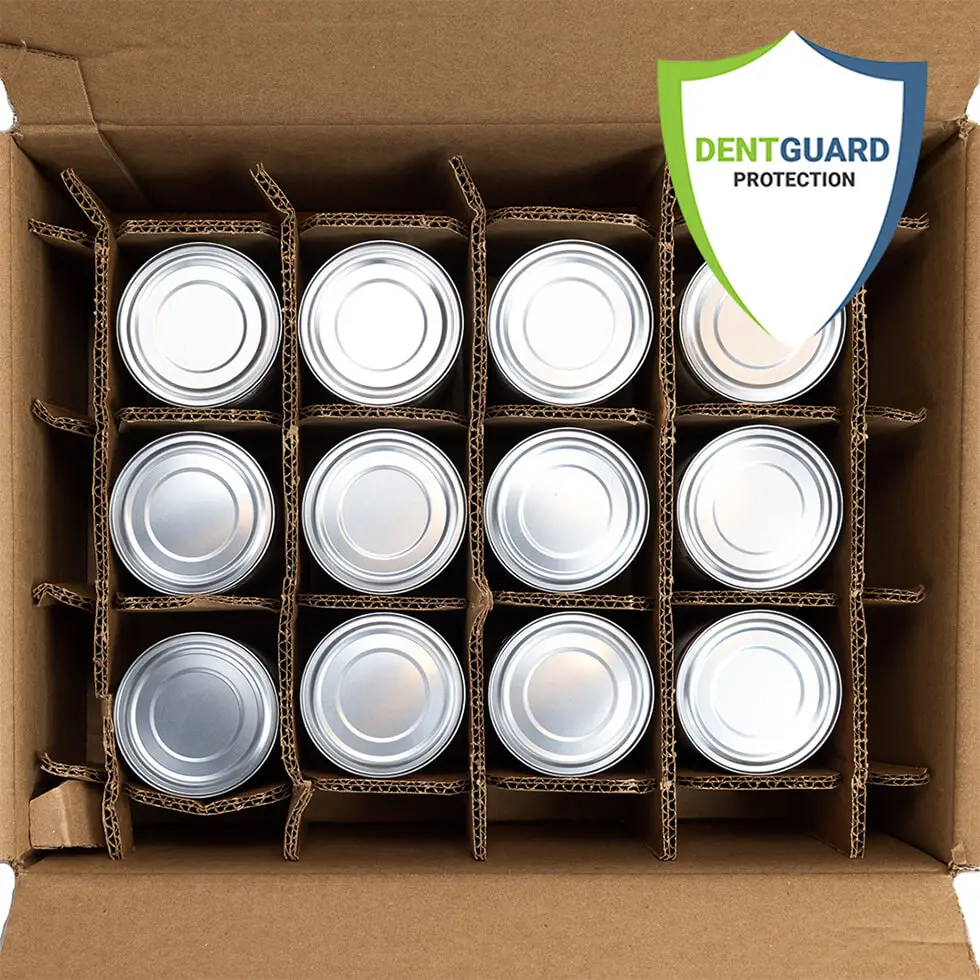
The cans are shipped to you using a proprietary DentGuardBox to make sure it arrives completely dent and damage-free-guaranteed.
And just because of the state of the world today, the packaging is discreet, and labeled FRAGILE, so that it ensures your prepping privacy.
So what about The Good Prepper Canned Beef shelf life?
Well, it's impressive to say the least.
It's guaranteed for a minimum of 5 years, but with proper storage in a cool, dark and dry place, it can last up to 25 years without refrigeration.
This is thanks to the meticulous slow pressure cooking process at 240 degrees, locking in natural juices and nutrients while ensuring the safety of the beef without the need for artificial preservatives.
And as I mentioned, the cans are made from high-quality, food-grade materials that are as sturdy as they are safe, designed to protect your food under any conditions.
This means your investment today secures your family's food safety for decades to come.
See What People
Have To Say About The Good Prepper Canned Beef
Ex-Special Forces Survival Expert Tyler White is one of the most respected experts in survival and prepping niche with over 30000 people following him across Social Media.
He has worked as a guide in Alaska, served with the U.S. Army Special Forces, and been deployed to Southern Afghanistan as a military contractor
He has trained hundreds of people in his broad range of survival skills focusing on primitive survival.
Here's what Tyler had to say about The Good Prepper Canned Meat: "A true explosion of lip smacking flavor with high quality cuts of beef. No fat, no bone, no grizzle. Seasoned with just a few pinches of sea salt and cooked to perfection. Ready to eat right out of the can or warmed up, offering a simple, delicious solution even in the toughest of times."
Tyler’s professional insights have given you a taste of why The Good Prepper is a trusted choice for those who know survival best.
More Reviews for The Good Prepper Canned Meat from people who want the confidence of a trusted, reliable go-to source of premium survival food they can count on when things take a turn.
"Oh my God this smells and tastes so good I like that they don't over salt it too it's got just the right amount of salt. And the fact it's sea salt not iodized is fantastic. The only downsides that you will have is enough to go around cause everybody will want to scarf it down. Super simple, super nutritious, quality shelf life, no brainer."
"If you want more protein, nutrition and variety in your food storage, look for The Good Prepper beef."
"It's an excellent source of protein, it's a clean product, it doesn't have additives, it will last up to 25 years and it will be ready when you have a stressful or emergency situation when you need good food.This is an excellent product, I strongly recommend it."
With the talks of World War III looming in the media... preppersfere buzzing with the word of EMP attacks, cyberattacks, and even nuclear catastrophes...
There's something else to consider. The future of our food.
How To Make Your Food Supply
SHTF-Proof
Against Rising Meat Prices
Meat prices are already on a steep climb.
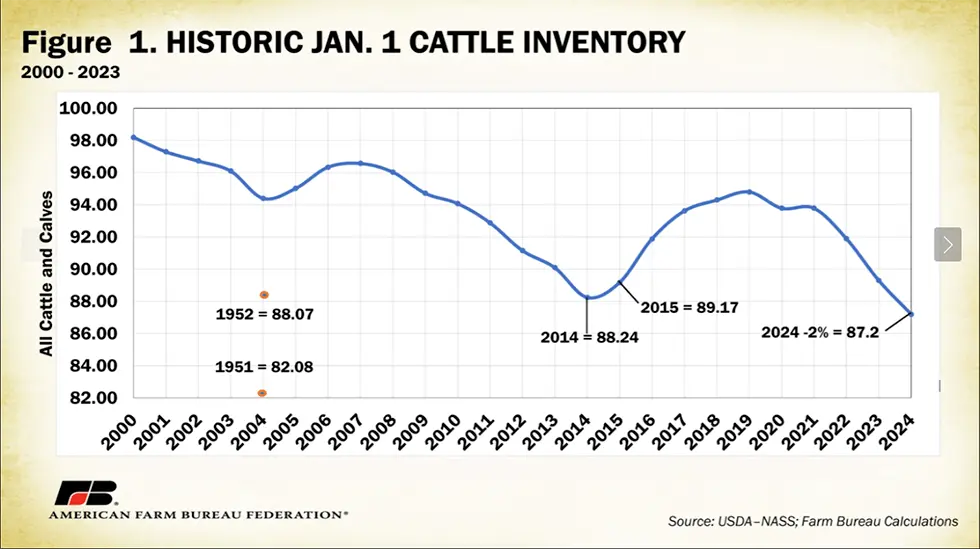
The American Farm Bureau Federation warns that we could soon see record-high beef prices.
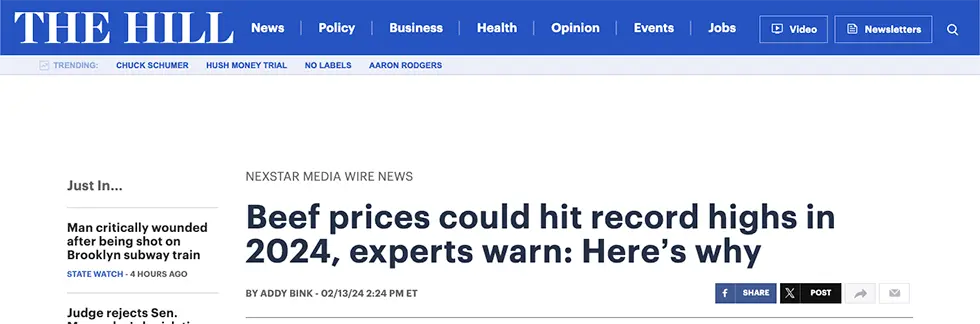
And the United States Department of Agriculture reports that our cattle numbers are at their lowest in 73 years!

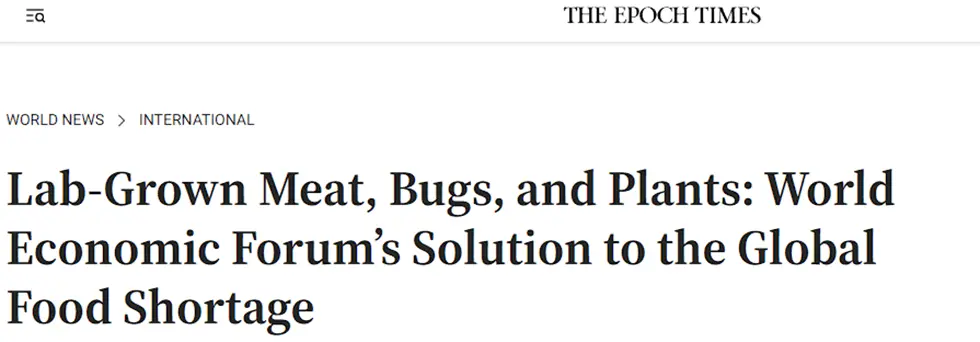
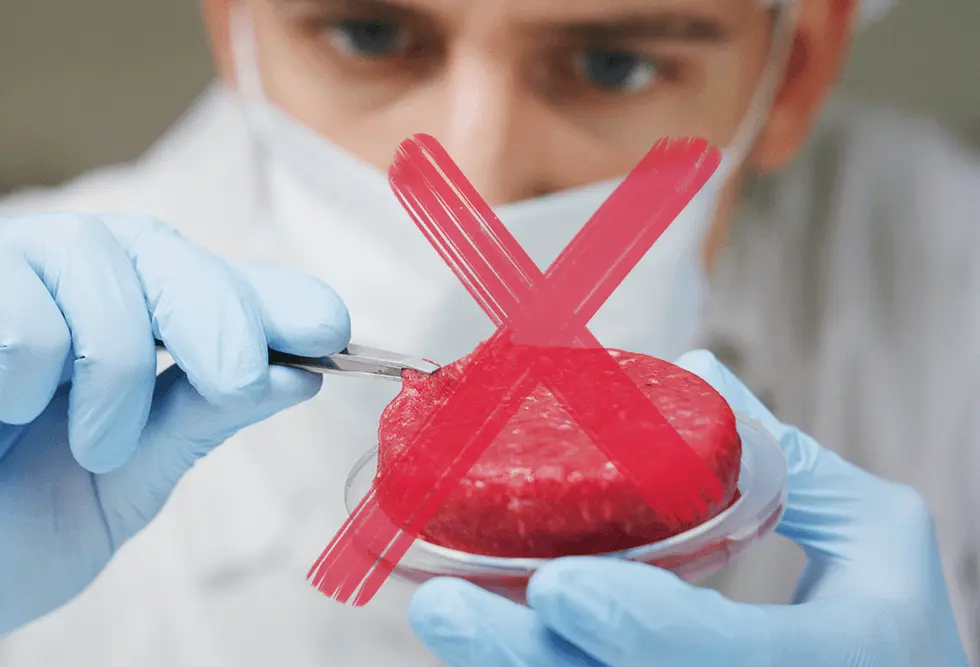
While the elites are quietly scheming in the halls of Davos, pushing lab-grown meat and bugs as alternative sources of protein...
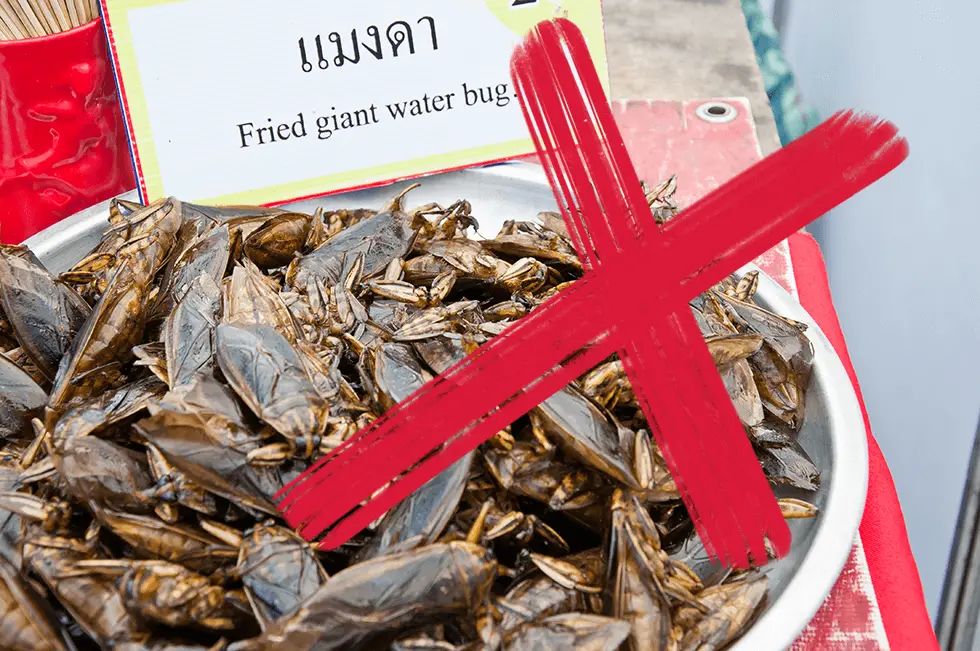
I wonder if our grandkids will soon forget the taste of real fresh meat or will they be forced to eat... so called alternatives?
.
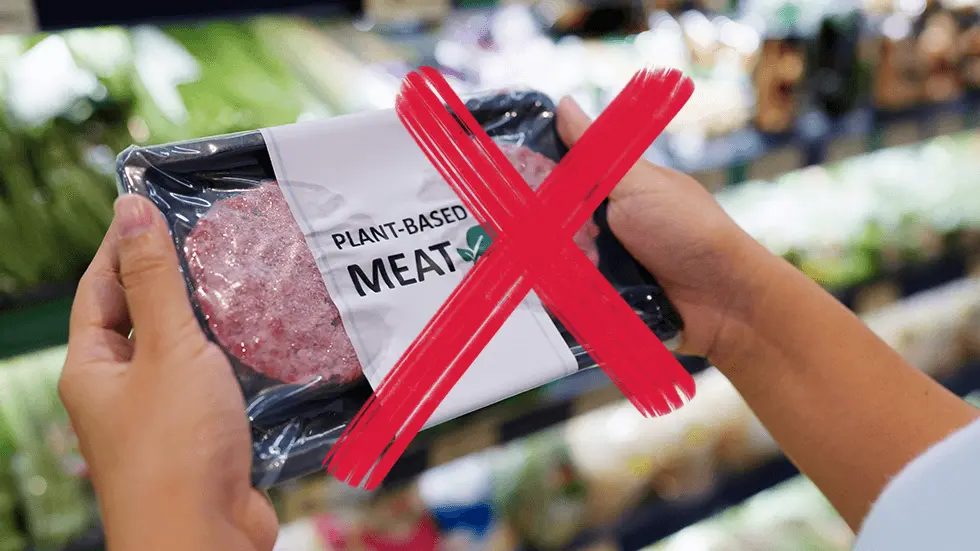
Because real food is as important as survival. It's a matter of ensuring the American way of life.
That's why The Good Prepper Canned Beef is not just a perfect stockpiling food item, but a way of making sure that your family never goes without, and eats nothing but the best.
- With up to 25 years of shelf life when stored in a cool and dry place, securing high-quality, natural fresh meat isn't just preparing for the "what ifs."
- It's also a smart financial decision against the backdrop of surging prices of meat and uncertain food politics.
- And while people invest in gold and crypto currencies they seem to forget that in truly extreme SHTF situations, you can't eat gold, and FOOD will be the only true currency.
In fact I would argue that having a guarantee that no matter how the world changes, your family can continue to enjoy real, fresh, nutritious and satisfying meals, makes this canned beef well worth its weight in gold.
And, if you had to, you could use it to barter for essentials that you might desperately need, like medicine or ammo.
You're Probably Wondering,
How Much Is This
Going To Cost You?
I'll be the first one to tell you this, The Good Prepper Canned Beef is truly premium survival food that comes with a price, but for a good reason.
First, it's the best decision you can make.
It's food that ensures you have a high-quality source of protein that is also delicious, ready-to-eat whenever you need. Real food that will keep you and your family healthy and strong even in the worst of times.
And depending on how you look at it, you are actually saving money... or even... INVESTING MONEY.
Look at it this way...
How much are you willing to invest into food security for you and your loved ones, and what is the price tag of true peace of mind and safety?
So if you're like me, you want only the best for your loved ones.
And that's why on this page only, you can invest in yourself and your family starting with:
1, 3 or 5 cases of The Good Prepper Canned Beef at our Special Launch Offer Prices.
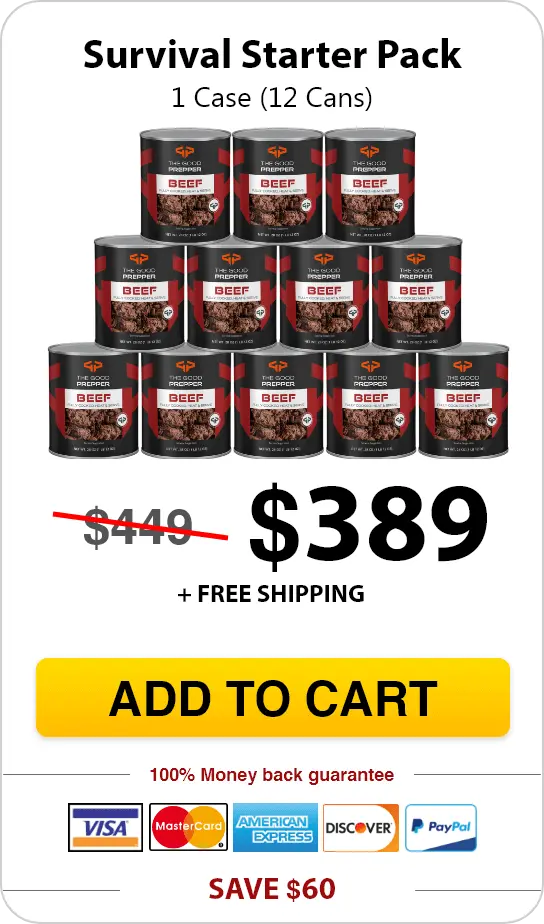
So 1 case consists of 12 cans (25 oz per can). That's 60 servings of delicious, melt-in-your-mouth hand selected cuts of high quality beef. It’s prepared the old fashioned way, using high pressure slow cooking and only 3 ingredients, beef with no bone or gristle, a bit of sea salt, pepper and it’s ready to eat straight from the can.
So don't wait and grab your case of premium survival food today at this Special Launch Offer of $389 + FREE Shipping! (Our stock is limited and meat is flying off the shelves).
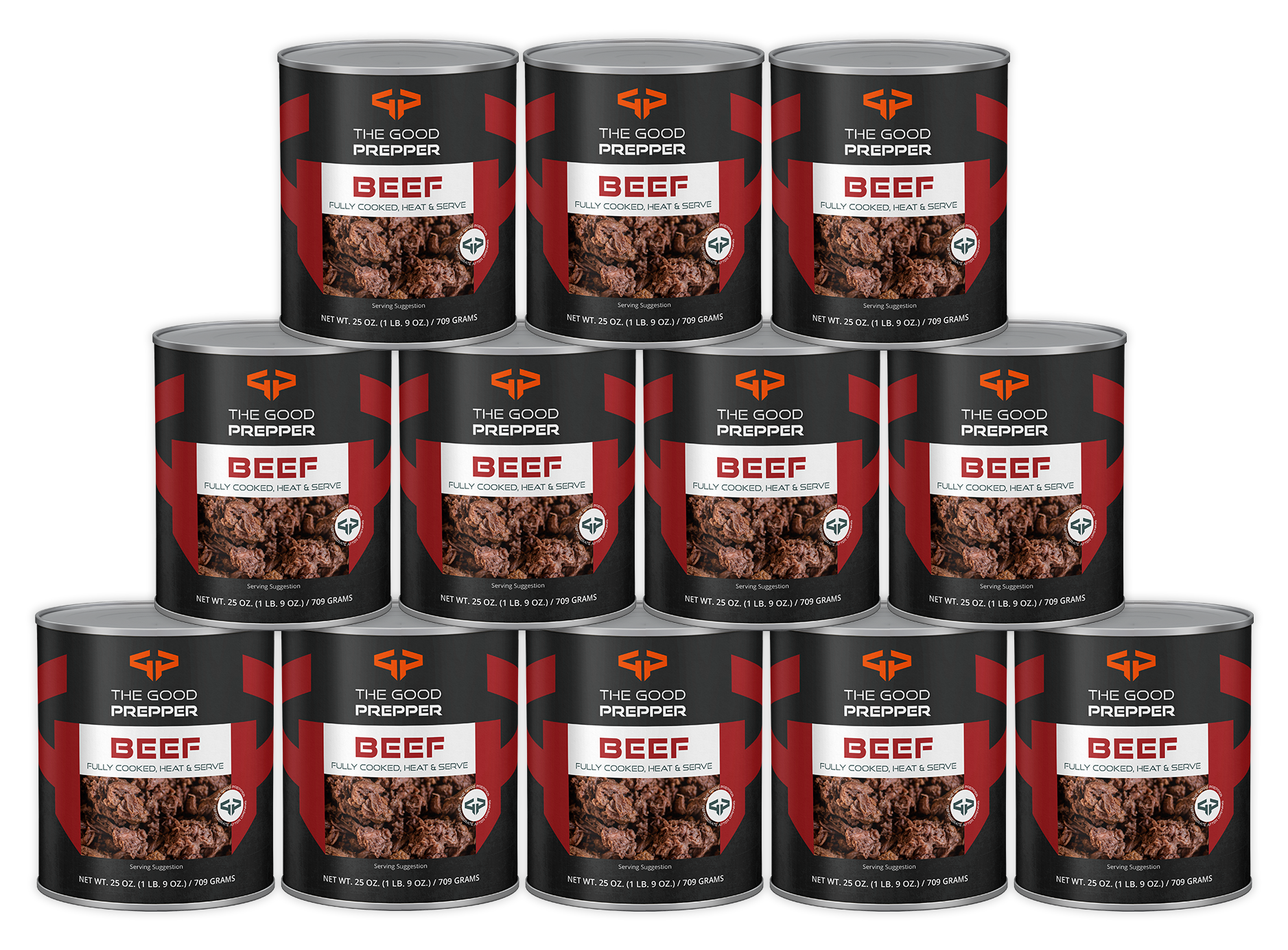
And if you’re truly serious about your preparedness and the well-being of your family, today on this page only you have a chance to grab our special deal.
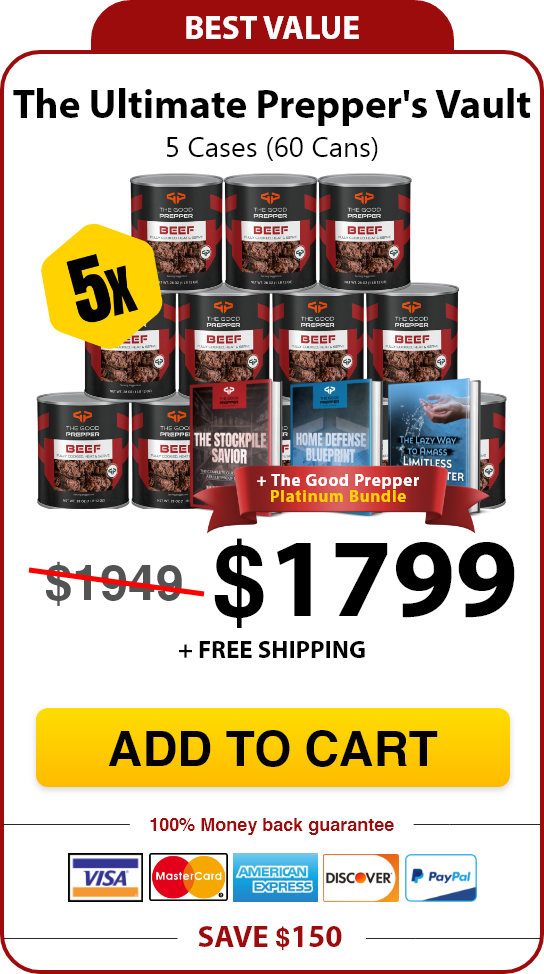
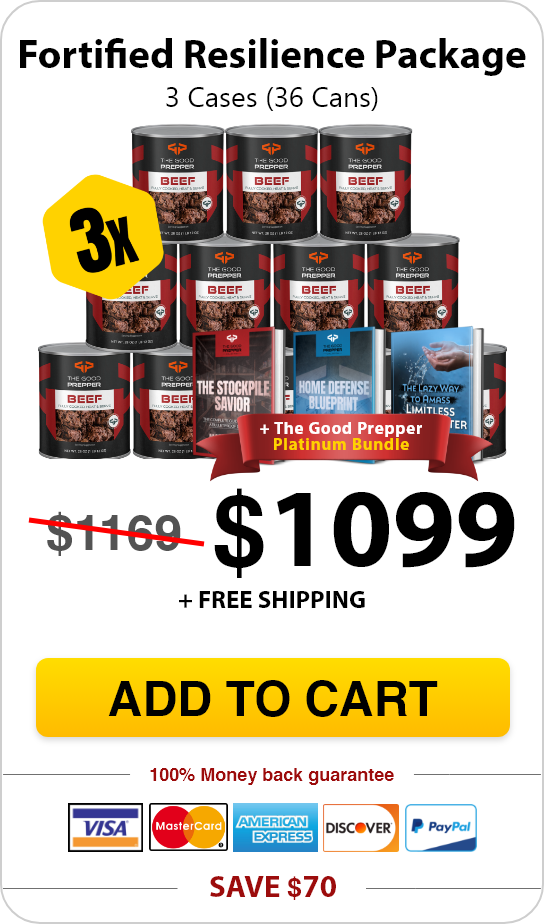
Choose 5 cases (that’s 300 servings!) and save $150 or pick 3 cases (180 servings) and save $70.
Grab your order of this amazingly delicious, crisis proof, gourmet, survival food today and make sure you have complete food security while everyone else is fighting for scraps in the dark.
But that's not all...
Because I want to make this deal, a true no brainer for you, when you secure your order of 5 or 3 cases of The Good Prepper Canned Beef today, you’ll be receiving…
FREE Bonuses
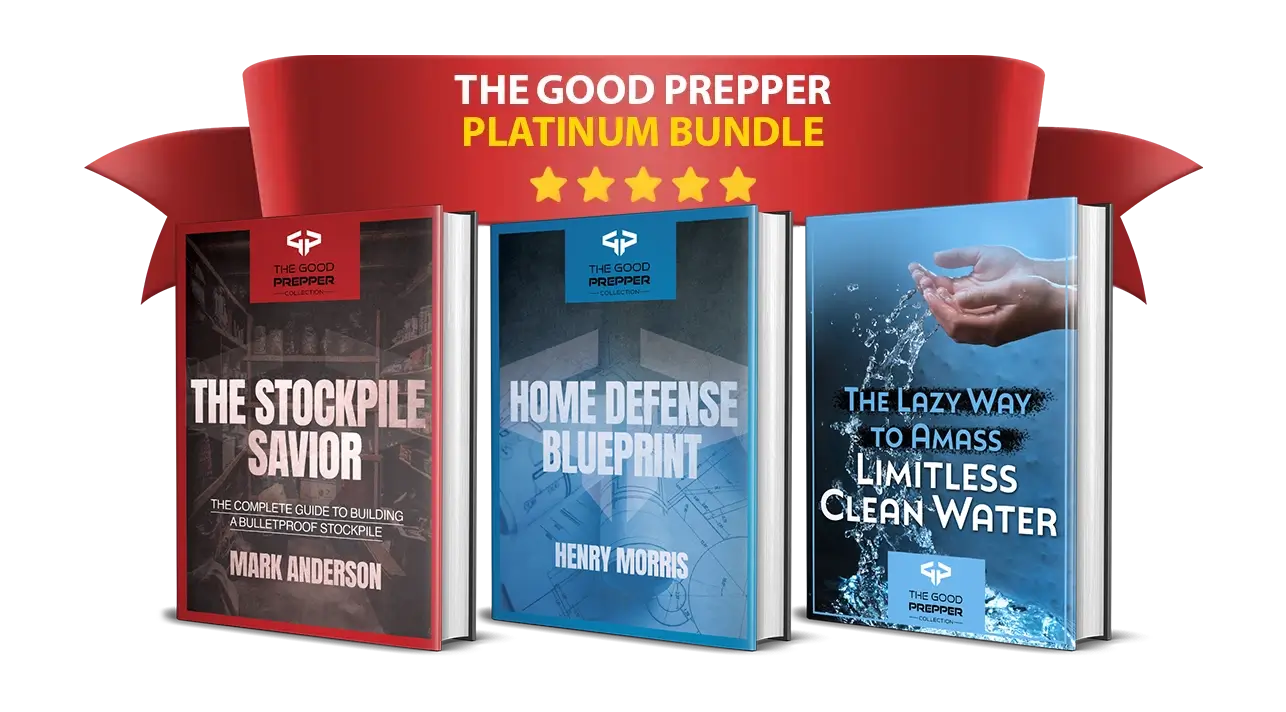
The Good Prepper Platinum Package
If you're reading this, that tells me that you already know the value of being prepared for any emergency.
But what if I told you that achieving that peace of mind could be simpler and more straightforward than you ever imagined?
Presenting....
BONUS #1
The Stockpile Savior
(Valued at $39)
Build A Food Stockpile That Lasts 100 Days (& Beyond) In Just 10 Days
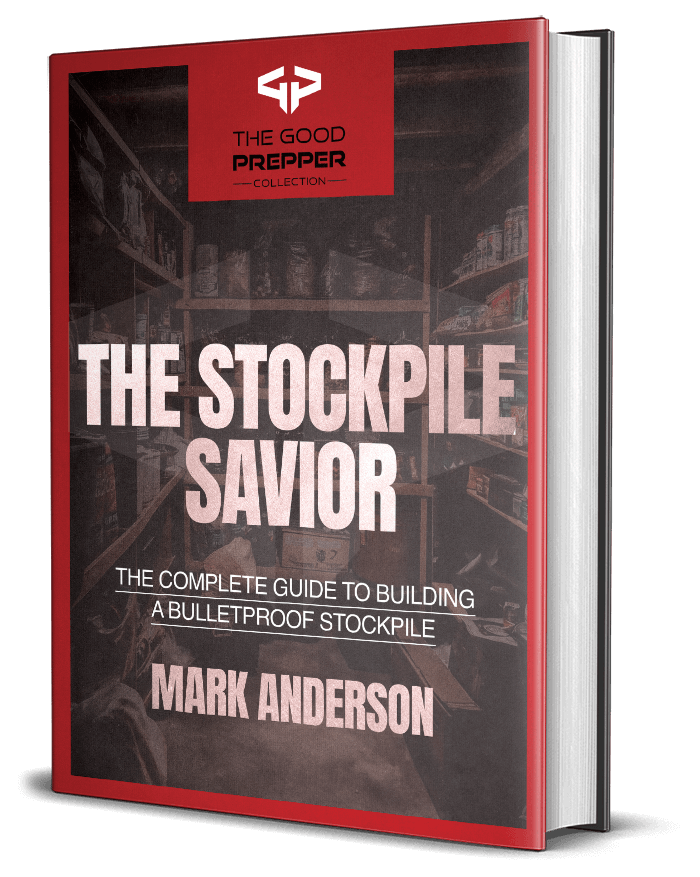
Without these 20 critical essentials, in a food shortage, you could…
Fall ill, starve, or worse… die.
But The Stockpile Savior will help you easily find and store the most important life-savers before stores shut down in a crisis. To ensure you and your family never starve.
Inside you’ll discover:
- The #1 food item that will fly off the shelf, (it’s almost impossible to survive without this item). Discover the only place to get it before anyone else.
- How to store 100 days worth of food supplies safely using the little secret behind the success of the German U-Boat sailors in World War II.
- The sneaky way to create a stockpile of prescription medication without your doctor ever catching on, if you or your loved ones suffer from a chronic illness.
- The top 5 supply-trashing mistakes almost every prepper makes! #3 alone causes preppers to lose hundreds of dollars spent on food.
And more!
FREE BONUS #2
Home Defense Blueprint
(Valued at $39)

The chaos of an EMP emergency will attract looters and other criminal scum like flies to honey.
Many law-abiding citizens will find themselves defenseless - with 911 not working, and no police available.
This is why it’s imperative to know how you can defend your home.
I want to show you how you can turn your home into an impregnable fortress... hard enough to withstand the destructive power of an EMP or even of an all-out civil war.
We’ve created the “Home Defense Blueprint” from interviews with survivors from some of the most violent places in the world. People who went through civil war in places like Serbia, Chechnya, Syria and Iraq.
Inside you’ll discover:
- What you must do to drive away a hungry mob even when you’re out of ammo
- How to make other people think that you are out of food
- The secret to hiding your water storage tank (even when you’re stockpiling impressive amounts of water)
- 3 “quick fixes” to strengthen any structure like your doors, so that they can’t be broken down even with a battering ram
- When it’s NOT OK to have a safe room (and what you should have instead)
- And more!
FREE BONUS #3
The Lazy Way to Amass Limitless Clean Water
(Valued at $39)
Prepping Secrets to Secure Safe Drinking Water In A Famine

It takes only 3 days to die from dehydration…
…meanwhile, waterborne disease is the world’s top killer…
…at 3.4 million deaths a year.
Both of which could easily be prevented with just a little know-how.
That’s why we’ve included all of the best tips on how to secure a fresh, clean, safe-to-drink water supply that lasts for months, inside this guide.
Including:
- 3 subtle signs your water has been compromised - invisible to the untrained eye.
- The 5 most common events that wreck water pipes. Discover them now so you’re ready to fill up a bathtub as soon as they hit.
- The 5 big “DON’Ts” of drinking water which, when ignored – are lethal.
- Why the plastic bottles our water is sold in are UNSAFE for long-term storage, and what to use instead.
And more!
And just to shake hands and settle the deal, I'm extending my hand and offering you...
Our Ironclad 60-day
Absolutely RISK-FREE Guarantee
Even better...
I'm so sure you'll love The Good Prepper Canned Beef that I'm willing to make a bet with you.
Prepare your favorite dish using The Good Prepper Canned Beef for your friends and family, and see if they can tell the difference between it and the best piece of premium store bought meat you can get.
I'm 100% positive that not only they won't believe that it's canned beef, they will love the taste of it more than the premium stuff you got from the butcher.
And if they don't like it, for whatever reason, (even if it's because of your cooking)...
I'm still giving you a 60-day, no-question-asked, money-back guarantee.
That’s right, if you and your family don’t absolutely love it, and it doesn’t meet your every expectation, just return it within 60 days and you’ll get every penny back. No questions asked.
And as a special thank you, just because you gave me your trust, you can keep the three amazing bonuses that you’ll receive absolutely free when you place your order today.
So there is no risk for you, besides the risk of not acting today.
Order now and ensure that no matter what happens, your family will be ready.
Okay, We’re at the Part
Where You Have a Choice to Make
There are only two options...
Option 1
You close this page and carry on with your day. You choose to ignore that deep, gnawing feeling in your gut – the one whispering that this could be your key to true peace of mind in your emergency preparedness plans.
You decide to overlook the opportunity in front of you, hoping that when SHTF happens and the moment of need arrives, you won’t regret your decision today.
Or,
Option 2
You can try The Good Prepper Canned Beef absolutely risk-free and enjoy the overwhelming confidence and relief knowing you are prepared.
This isn’t just another food item on your grocery list—it’s your family’s lifeline in times of crisis.
One that is meant to meet the highest standards of quality and longevity ensuring nothing but the best for you and your family even in the worst of times.
So if you’re tired of worrying about being prepared for emergencies, tired of questioning whether your food supply is truly crisis-proof, or if you simply crave for the peace of mind that comes from having nutrient-rich, ready-to-eat meals at your fingertips...
Then now is the perfect moment to try The Good Prepper Canned Beef risk-free, so you can finally eliminate the guesswork from your survival strategy.
Secure your family’s future with a choice that’s smart, straightforward, and guaranteed.
This is your chance to finally stop worrying about the ‘what-ifs’ of tomorrow.
Secure a supply of The Good Prepper Canned Beef now, and turn your focus to living today, confident that you’re prepared for any tomorrow.
Frequently Asked Questions
Message From Founder
Hi, it's Alec Deacon.
Twelve years ago when we started Survivopedia, the world was a very different place.
The economy was still recovering from a deep crisis.
Wokism was making its first baby steps.
Americans were deeply divided, but not to the extent that they are now.
And more and more patriots were beginning to show an interest in prepping.
Fast forward to today - and a lot has changed.
Our core values of God, Family and Country have slowly eroded.
We have fewer freedoms than we used to.
The world is involved in multiple wars and is probably bracing for the Big One.
And while prepping is at it's all time high… it's attracted all sorts of shady snake oil salesmen.
In a way, it's never been harder to prep than now. People are overwhelmed by low quality choices. Where should you start? What works, and what doesn't?
That's why we've created "The Good Prepper" - our new brand for patriots.
With "The Good Prepper", we aim to cut through the BS and bring you only the good stuff. Curated survival products that were proven "in the trenches" to help regular people survive.
Here are some of our core values:
Make an Impact:
We aim to bring you proven experts, and proven products that work. There's a difference between fantasy and real world survival - so whenever we can find something that was battle tested, either in the civil war of Yugoslavia, or in the high stakes pursuits of Arctic survival - we will bring it to you.
Do Good:
At "The Good Prepper" we try to emphasize the importance of community building, as opposed to the dangerous and selfish "lone wolf" mentality that is incompatible with long term survival.
Build Resilience:
"The Good Prepper" aims to help patriots develop true grit, courage and determination - so that you can react with a calm resolve in times of crisis. Panic won't help anyone. We aim to help you make informed decisions and to back everything with evidence, instead of all the fear mongering that is rampant these days.

[1] 'The role of meat in the human diet: evolutionary aspects and nutritional value'. [Online] Available from: <"https://academic.oup.com/af/article/13/2/11/7123475">
[2] 'The Effect of a Compound Protein on Wound Healing and Nutritional Status'. [Online] Available from: <"https://www.ncbi.nlm.nih.gov/pmc/articles/PMC8970868/">
[3] 'The effects of a protein enriched diet with lean red meat combined with a multi-modal exercise program on muscle and cognitive health and function in older adults: study protocol for a randomised controlled trial'. [Online] Available from: <"https://www.ncbi.nlm.nih.gov/pmc/articles/PMC4529719/">
[4] 'What is the role of meat in a healthy diet?'. [Online] Available from: <"https://www.ncbi.nlm.nih.gov/pmc/articles/PMC7015455/#:~:text=Red%20meat%20is%20a%20nutrient%20dense%20food%20that%20is%20an,B12%20in%20the%20diet">
[5] 'Increased Dietary Protein as a Dietary Strategy to Prevent and/or Treat Obesity'. [Online] Available from: <"https://www.ncbi.nlm.nih.gov/pmc/articles/PMC6179508/">
[6] 'Why Are Small Family Farms Disappearing Across the United States?'. [Online] Available from: <"https://www.organicvalley.coop/blog/farms-disappearing-across-the-us/">
[7] 'The efficacy and safety of high-pressure processing of food'. [Online] Available from: <"https://efsa.onlinelibrary.wiley.com/doi/full/10.2903/j.efsa.2022.7128">
[8] 'Beef prices could hit record highs in 2024, experts warn: Here’s why'. [Online] Available from: <"https://thehill.com/homenews/nexstar_media_wire/4465781-beef-prices-could-hit-record-highs-in-2024-experts-warn-heres-why/">
[9] 'U.S. Cattle Inventory Smallest in 73 years'. [Online] Available from: <"https://www.fb.org/market-intel/u-s-cattle-inventory-smallest-in-73-years">
[10] 'Lab-grown meat, insects and plants: WEF's solution to global food shortages'. [Online] Available from: <"https://www.obela.org/content/lab-grown-meat-insects-and-plants-wefs-solution-global-food-shortages">
[11] 'Lab-Grown Meat, Bugs, and Plants: World Economic Forum’s Solution to the Global Food Shortage'. [Online] Available from: <"https://www.theepochtimes.com/world/lab-grown-meat-bugs-and-plants-world-economic-forums-solution-to-the-global-food-shortage-5000768?welcomeuser=1">
See What Our Clients Say About Our Product
Verified reviews collected and independently validated through Judge.me